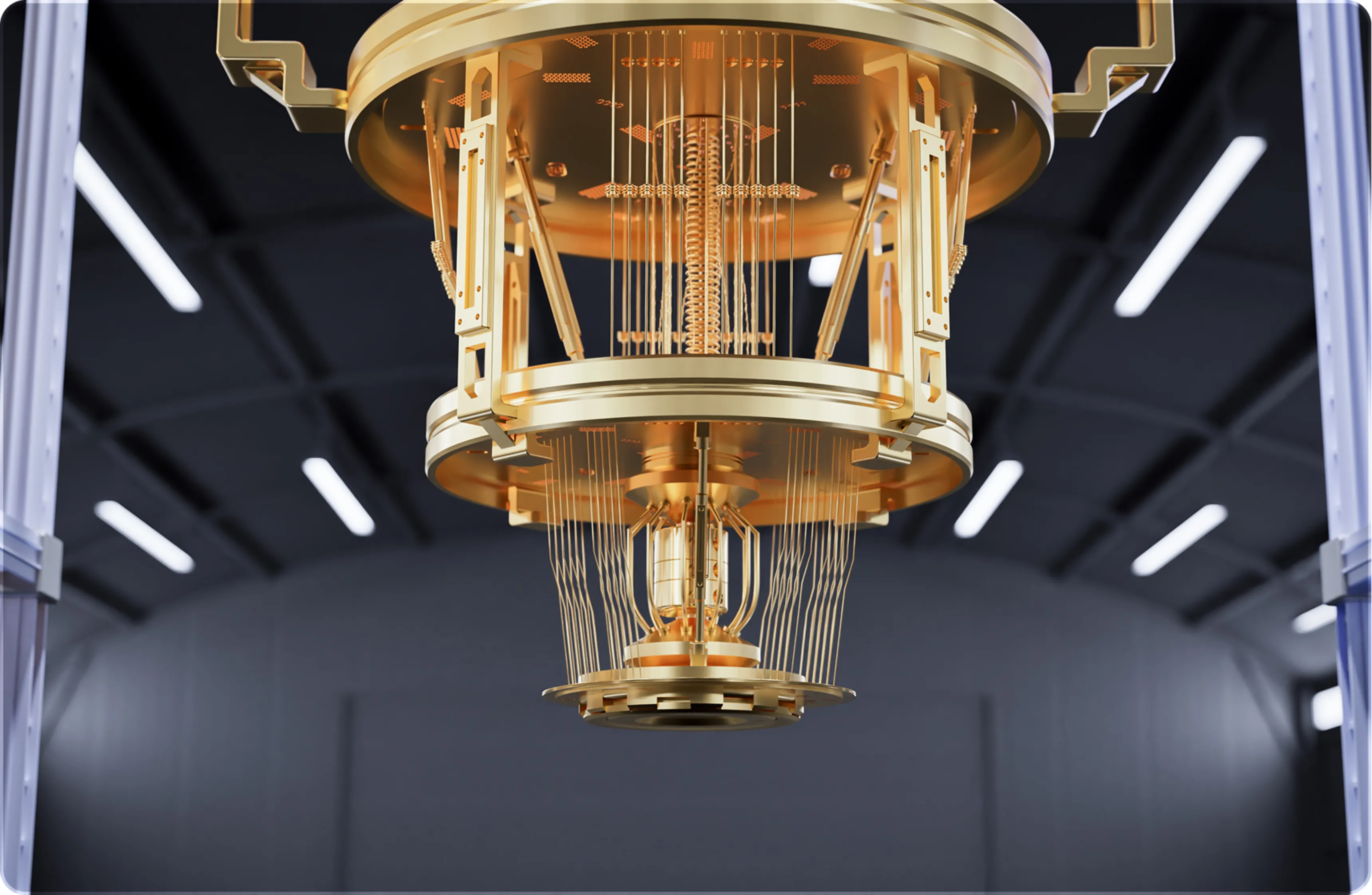
Drive innovation faster than ever.

Deep Tech & Robotics

We transport prototypes, robotics, and sensitive components. Handled with precision, tracked in real time, and cleared through customs. Wherever your breakthrough takes you.

A delayed prototype can hold up a launch, a trial, or a funding round. Innovation depends on timing—your logistics need to keep up.

What We Move

What We Move

Prototypes

Early, irreplaceable projects were carried out against the clock.

(01)

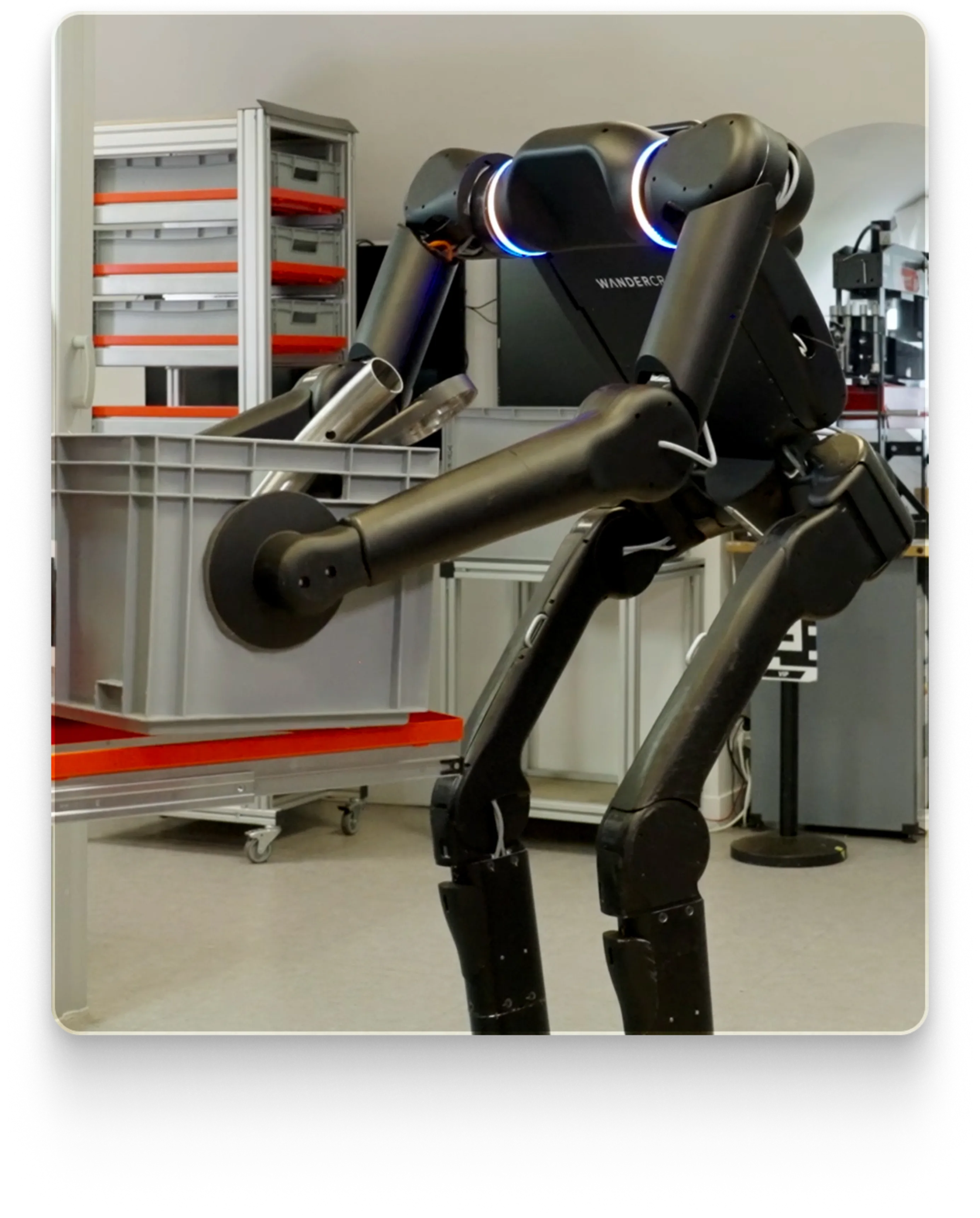
Robotics & Systems

Customized transportation solutions for oversized, high-value cargo.

(02)
Sensitive components

Fragile, high-value parts requiring careful, controlled handling.

(03)

Lab and Test Equipment

Critical instruments are delivered ready to use.

(04)

Speed on par with R&D

We'll put together a plan and get started as soon as you're ready.

handled with precision

Sensitive and fragile cargo, handled with the care it requires.

Full cost transparency

The invoice reflects the actual cost. No commission, no markup—ever.

Blog

Explore our case studies

A technician wearing gloves places an insulated, temperature-controlled shipping container into ultra-cold storage
July 7, 2026

Cold Chain Logistics for Deep Tech and Med Tech Shipments

Deep Tech & Med Tech

Temperature excursions cost the biopharma industry roughly $35 billion every year, according to IQVIA (IQVIA via Tive). That single figure explains why cold chain logistics is subject to stricter regulations than almost any other type of freight. Some shipments are urgent because they have a fixed deadline. Others are urgent because a life depends on them, or because what’s inside the box represents years of R&D that cannot be replaced if it is damaged, exposed, or warmed by even a few degrees.

Deeptech and medtech freight fall into that second category, where “sensitive” has a much more literal meaning. In our experience, the actual transport is rarely the hardest part; the challenge lies in maintaining a specific temperature range and ensuring a clean chain of custody at every handoff. So here’s what sets these shipments apart, and what it actually takes to transport them safely.

Key takeaways

  • Temperature fluctuations cost the biopharma industry about $35 billion a year (IQVIA), so cold-chain shipments are treated as a control issue, not a booking.
  • The WHO and PAHO have established the following temperature ranges: +2 to +8°C for freeze-sensitive biologics, and -15 to -25°C for frozen products.
  • IATA DGR regulations govern the transport of lithium batteries, reagents, and biological substances by air; incorrect packaging or labeling can bring a shipment to a complete halt.
  • Deeptech prototypes may be subject to EU dual-use export controls (Regulation 2021/821), under the same regulatory framework as ITAR-regulated aerospace parts.

What makes a cold chain shipment particularly sensitive?

Three factors combine to raise the stakes, and the biggest is temperature: a single deviation contributes to the roughly $35 billion in annual biopharma losses that IQVIA attributes to broken cold chains (IQVIA via Veratrak). Because so much value depends on such a narrow range, environmental control isn't just a feature—it's the whole job.

The cold chain is the unbroken sequence of temperature-controlled storage and transport that keeps a product within its required temperature range from origin to destination. Break it even once, and the shipment may be unusable, even if it arrives on time and is physically intact. Three pressures typically build up:

  • Environmental sensitivity. Biological samples, reagents, and precision instruments require a narrow temperature range and often need protection from even a single severe shock throughout the entire process.
  • Time-critical urgency. A device intended for a scheduled procedure, or a sample with a short viability window, does not have a flexible delivery date. It must arrive in time to make a difference, or it is of no consequence.
  • Confidentiality and Intellectual Property. A deep tech prototype is often the physical embodiment of unpublished, unvalued R&D. Its route, handling, and access list are just as important as its safe arrival.

What temperature ranges must cold chain logistics maintain?

Most biologics fall within one of two temperature ranges established by global health organizations: +2 to +8°C for freeze-sensitive products and -15 to -25°C for frozen products, according to WHO and PAHO cold chain guidelines (PAHO). Certain reagents are typically stored at around -20°C. As a result, cold chain logistics is not a single standard; rather, it consists of a set of temperature ranges, each with its own packaging and monitoring plan.

The Cold Chain by the Numbers

The temperature band dictates everything that follows. For example, a vaccine stored at +2 to +8°C and a reagent stored at -20°C require different approved packaging, different coolants, and different calculations for dwell time. We’ve found that most temperature excursions don’t occur during flight; they happen during handoffs, tarmac delays, and customs holds, when a validated container quietly runs out of thermal runway. In short, maintaining the temperature band is a discipline that applies to the entire journey, not just a checkbox at the departure gate.

How do IATA DGR regulations influence temperature-controlled shipping?

Many cold chain shipments are also dangerous goods, which adds a second set of regulations on top of the temperature-related ones. IATA DGR (Dangerous Goods Regulations) govern the transport of hazardous items by air, including lithium batteries, chemical reagents, and biological substances, with packaging, labeling, and handling requirements determined by hazard class (IATA).

Because a monitored shipment often contains a lithium battery in its data logger, and the payload itself may be a Class 6.2 biological substance, the DGR rules apply to more temperature-controlled shipments than shippers expect. However, the logic mirrors the airworthiness documentation that governs aerospace parts: get the documentation and packaging right, and the shipment moves. Get it wrong, and even a compliant, properly chilled box can still be refused at acceptance. The same time-critical discipline that keeps AOG spare parts moving applies here, only focused on temperature rather than tail numbers.

When do deep tech shipments trigger export controls?

Deeptech freight adds a third layer that pure medtech typically does not: dual-use export controls. In the EU, Regulation (EU) 2021/821 governs dual-use items—that is, goods with both civilian and potential military or strategic applications—and may require a license before a prototype crosses a border (European Commission). Meanwhile, the temperature clock keeps ticking regardless of the paperwork.

This is the same regulatory logic that governs ITAR-controlled aerospace components, applied to a different industry. For example, a sensor, an optics module, or an advanced material destined for a test site abroad may require classification and licensing before it can be legally shipped. Because those checks take time, and cold-chain shipments cannot wait, the export documentation must be prepared at the same time as the thermal plan, not after it. Otherwise, a fully validated shipment will be held at the border while its coolant expires.

What does it actually take to transport cold-chain freight safely?

Managing these flows effectively means treating every stage as a control point, which is critical in a market that Mordor Intelligence estimates will be worth roughly $383 billion in 2026, growing to about $516 billion by 2031 (Mordor Intelligence, 2026). A scale like that reflects just how much the industry now depends on maintaining a specific temperature range from start to finish.

Two use cases illustrate the range. A deep-tech prototype moving from a lab to a test site requires a controlled chain of custody, protection against shock and vibration, and confidentiality regarding its contents and destination. An urgent medical device shifts the priority toward speed and cold-chain integrity, because a sample linked to a scheduled procedure cannot be delayed. Both, however, rely on the same core practices:

  • Appropriate packaging, selected based on the specific combination of temperature range, shock resistance, and transit time—not a generic box used for everything.
  • Continuous temperature monitoring ensures that any deviation outside the specified range is detected immediately through real-time visibility, rather than being discovered upon arrival.
  • Full chain-of-custody traceability, documenting who handled the shipment, when, and under what conditions, at every stage from pickup to final delivery.

Deeptech and medtech logistics may look very different from aerospace or luxury logistics. In practice, however, they require the same underlying discipline: understanding exactly what makes a shipment sensitive, building a plan around that sensitivity, and maintaining visibility throughout the process so that no issues are discovered too late to fix. That is a natural extension of what critical-freight operations have always required.

Frequently Asked Questions

What is cold chain logistics?

Cold chain logistics refers to the temperature-controlled handling, storage, and transport of products that must remain within a specified range from start to finish. According to WHO and PAHO guidelines, freeze-sensitive biologics must be kept at +2 to +8°C, and frozen products at -15 to -25°C, without a single interruption.

How much do temperature fluctuations cost the industry?

IQVIA estimates that temperature excursions cost the biopharma sector about $35 billion a year. A single break in the cold chain can render a shipment unusable, even if it arrives on time and appears physically intact, which is why continuous monitoring is considered essential rather than optional.

Do cold chain shipments fall under IATA dangerous goods regulations?

Often, yes. IATA DGR regulations govern lithium batteries in data loggers, chemical reagents, and biological substances transported by air, with packaging and labeling requirements determined by hazard class. Because many monitored medical technology shipments include at least one of these items, the DGR rules apply more often than shippers expect.

Why do deep tech prototypes require export licenses?

Deep tech items with both civilian and strategic uses may be dual-use goods. In the EU, Regulation 2021/821 may require a license before such items cross a border. Because classification takes time and cold-chain shipments cannot wait, the export documentation should be prepared alongside the thermal plan.


Stracker specializes in critical, time-sensitive freight for the aerospace, luxury, and deep tech industries across more than 80 countries. Our deep tech and medtech team tailors each plan to the specific requirements of the shipment, from cold chain integrity to export control compliance. Contact our cold chain team.

Logistics control room with a glowing world map showing real-time global shipping and flight routes
July 7, 2026

Real-Time Supply Chain Visibility with Stracker360

Platform & Technology

Supply chain visibility is the ability to see, in real time, where every shipment is and what’s happening to it, and 89% of organizations now cite supply chain disruption as the number one risk to their growth (Capgemini, 2023). Yet most freight still moves without visibility. You get an email when it ships, another when it arrives, and nothing in between.

That silence is the real problem. Ask any operations manager what frustrates them, and it’s rarely speed. It’s the waiting, the three carrier portals, the moment a shipment “should have arrived” and nobody can say where it is. In our experience, that gap is where good relationships quietly break down. So here’s how real-time freight visibility closes that gap—and why it changes what a logistics partner is actually for.

Key takeaways

  • 89% of companies cite supply-chain disruption as their top growth risk, and 43% are increasing their spending on technology and visibility to address it (Capgemini, 2023).
  • A month-long disruption affects the average supply chain every 3.7 years; over the course of a decade, such disruptions can wipe out roughly 45% of one year's EBITDA (McKinsey).
  • You can't act on what you can't see, so fragmented, carrier-by-carrier tracking is a strategic weakness, not just an inconvenience.
  • Real-time visibility shifts the conversation from "where is my shipment" to "how do we make the network resilient."

What is real-time supply chain visibility?

Real-time freight visibility is a single, live view of every shipment across all carriers, updated as events occur rather than after the fact. It matters because visibility is now the top strategic investment priority in logistics, with 43% of companies increasing their spending in this area (Capgemini, 2023).

The key word is real-time. Knowing where a shipment was yesterday is of no use when a customs hold occurs today. A proper freight tracking platform consolidates air, road, and specialized charter shipments into a single, consistent view. As a result, you no longer have to piece together updates from separate systems; instead, you can see the entire flow at a glance.

Why is supply chain visibility important right now?

Disruption is no longer the exception. A month-long supply-chain disruption now affects the average company every 3.7 years, and over the course of a decade, such disruptions can wipe out roughly 45% of a single year’s EBITDA (McKinsey). Because these figures are structural, visibility is no longer just a nice-to-have.

Why Visibility Is a Board-Level Priority

Here's the uncomfortable logic. You can't act on what you can't see. When 89% of companies cite disruption as their top risk yet still track freight carrier by carrier, the blind spot itself becomes the risk. However, the cost of a blind spot rarely appears on an invoice. It shows up as a missed deadline, a damaged shipment, or a client who stops trusting the estimate.

For example, a delay you notice at the one-hour mark is a routing decision. The same delay discovered upon arrival is a crisis. Meanwhile, the shipments most affected by this are precisely the ones that cannot be redone.

Key quote: A month-long supply chain disruption affects the average company every 3.7 years, and over the course of a decade, such disruptions can wipe out about 45% of a year’s EBITDA (McKinsey Global Institute), which is why 43% of firms are increasing their visibility and technology spending (Capgemini, 2023).

How does traditional freight visibility fall short?

Most freight forwarding still operates under a model developed decades ago, which leaves visibility to chance. The forwarder books capacity, hands the shipment over to one or more carriers, and you only see whatever information those carriers choose to share—whenever they choose to share it. With 89% of companies citing disruption as their top risk (Capgemini, 2023), that’s a fragile way to operate.

For a single shipment, that might mean checking two or three separate systems. Each has its own update schedule, its own terminology, and its own blind spots. Now multiply that by dozens of shipments across different industries and countries. The fragmentation quickly compounds.

The result isn't just inconvenience. It's an inability to take early action, because no one sees a problem until it has already caused a delay. In short, traditional visibility tells you what went wrong. It rarely tells you in time to fix it.

Why Fragmented Tracking Is a Strategic Weakness

We've found that scattered tracking doesn't just slow people down. It quietly lowers expectations. Teams stop asking, "Where exactly is it?" because the honest answer is, "We'll know when it lands." That resignation is the real cost, and it remains invisible until something goes wrong.

What does a real-time freight visibility platform actually do?

A modern freight visibility software layer replaces guesswork with a single real-time view, and the demand for exactly this capability is why 43% of companies are increasing their spending on supply chain technology (Capgemini, 2023). Stracker360 was built to give clients a single place to see everything, rather than having to guess based on information from multiple sources.

  • Real-time tracking of shipments and carriers, consolidated into a single, consistent view rather than scattered across each carrier's own system.
  • Centralized visibility across multiple carriers, so a client managing air, road, and charter shipments for the same collection or the same event doesn't have to switch between systems to get the full picture.
  • Proactive alerting that flags disruptions, delays, or customs holds as they occur, so clients can take action before a problem leads to a missed deadline, rather than after.

Why Security Is Built Into the Product

Behind the interface, Stracker360 runs on secure cloud infrastructure with embedded AI, built from the ground up to meet GDPR requirements. GDPR is the EU regulation governing personal data since 2018, and it sets a baseline for data processing security. This isn't the most exciting part of the story, but it matters. In industries that handle export-controlled aerospace parts, unreleased luxury collections, or confidential deep tech prototypes, data security isn't optional. It’s part of the product.

How does visibility turn a freight forwarder into a strategic partner?

This is the core of the change. A traditional freight forwarder is reactive by design: it moves what it is told to move and reports back when asked. Real-time visibility redefines that relationship, which is why supply-chain technology is now the top investment priority for logistics leaders (Capgemini, 2023).

When a client can view their logistics flows in real time, identify patterns across shipments, and stay one step ahead of disruptions, the conversation changes. It shifts from “Where is my shipment?” to “How can we make the entire network more resilient?” That shift—from service provider to partner—is the whole point.

There's a business logic behind it as well. Freight forwarding generates the operational revenue that keeps the business running on a day-to-day basis. Meanwhile, the platform creates the recurring value and the switching costs that help maintain a lasting relationship. Service revenue funds operations. The platform layer is what transforms a one-time vendor into a long-term partner.

Key quote: Supply-chain technology and visibility are now the top strategic investment priority in logistics, with 43% of companies increasing spending in this area and 89% citing disruption as their number one growth risk (Capgemini, 2023)—a trend that is driving freight forwarders to shift from a focus on execution toward partnership.

Where is real-time visibility most important for critical freight?

Visibility matters everywhere, but it matters most precisely where the stakes are highest and a shipment cannot be redone. With disruptions affecting the average supply chain every 3.7 years (McKinsey), critical-freight shipments are where blind spots become costly the fastest.

  • Aerospace. In the event of an aircraft being grounded, every hour a plane is grounded costs tens of thousands. Knowing when a reroute or customs hold occurs allows the airline to make a decision rather than wait.
  • Cold chain. For temperature-sensitive medical technology shipments, continuous monitoring ensures that any deviation from the target range is detected immediately, rather than discovered upon arrival when it is already too late.
  • Cross-border luxury. Our Zen duty-paid service runs on the same platform, so a retailer selling VAT-free can proactively track customs clearance and ensure a seamless customer experience.

In each of these cases, the question isn't just "Will it arrive?" It's "Will we know the moment something goes wrong?" A real-time freight tracking platform is designed to answer that question before it even needs to be asked.

Frequently Asked Questions

What is supply chain visibility?

Supply chain visibility is the ability to track shipments and inventory in real time across all carriers and stages. It matters because 89% of companies now cite disruption as their top growth risk (Capgemini, 2023), and you can't take early action on a problem you can't see coming.

Why is real-time freight visibility important?

Because disruption is structural, not rare. The average supply chain experiences a month-long disruption every 3.7 years, and over the course of a decade, shocks can wipe out roughly 45% of one year’s EBITDA (McKinsey). Real-time visibility allows teams to reroute shipments early rather than discovering delays upon arrival.

How is a freight visibility platform different from carrier tracking?

Carrier tracking displays one carrier's data on that carrier's system, according to its own schedule. A freight visibility platform consolidates air, road, and charter shipments into a single real-time view, complete with proactive alerts. That's why 43% of companies are increasing their spending on supply chain technology (Capgemini, 2023).

Is shipment data secure on a visibility platform?

It should be. Stracker360 runs on secure cloud infrastructure built to meet GDPR requirements, the EU regulation governing personal data since 2018. For export-controlled parts, unreleased collections, or confidential prototypes, security of processing is an integral part of the product, not an afterthought.


Stracker360 is the technology platform that powers every shipment we manage, giving clients in the aerospace, luxury, and deep tech industries real-time control over their most critical freight. See how Stracker360 works.