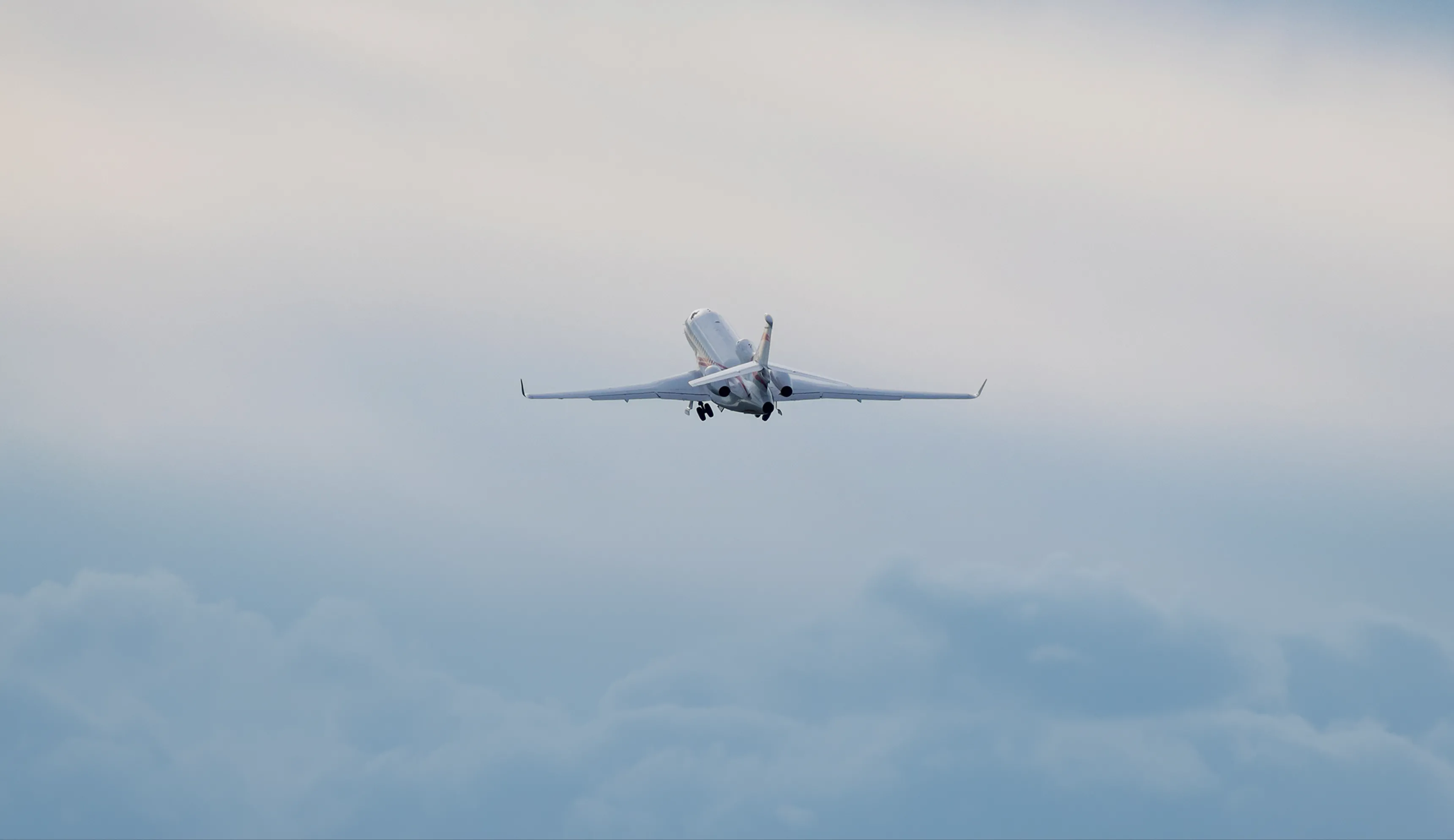
Keep your aircraft off the ground

Aerospace & Defense

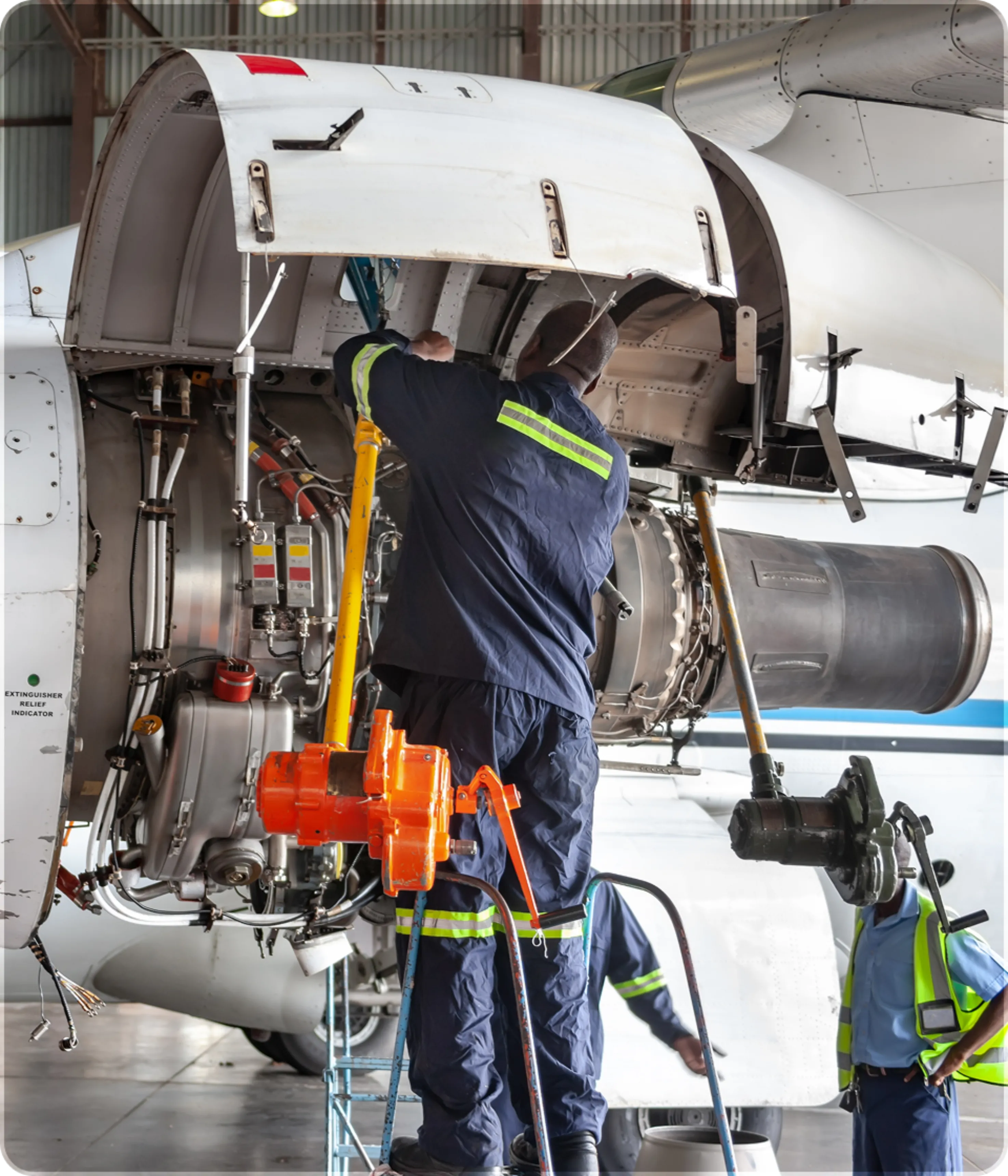
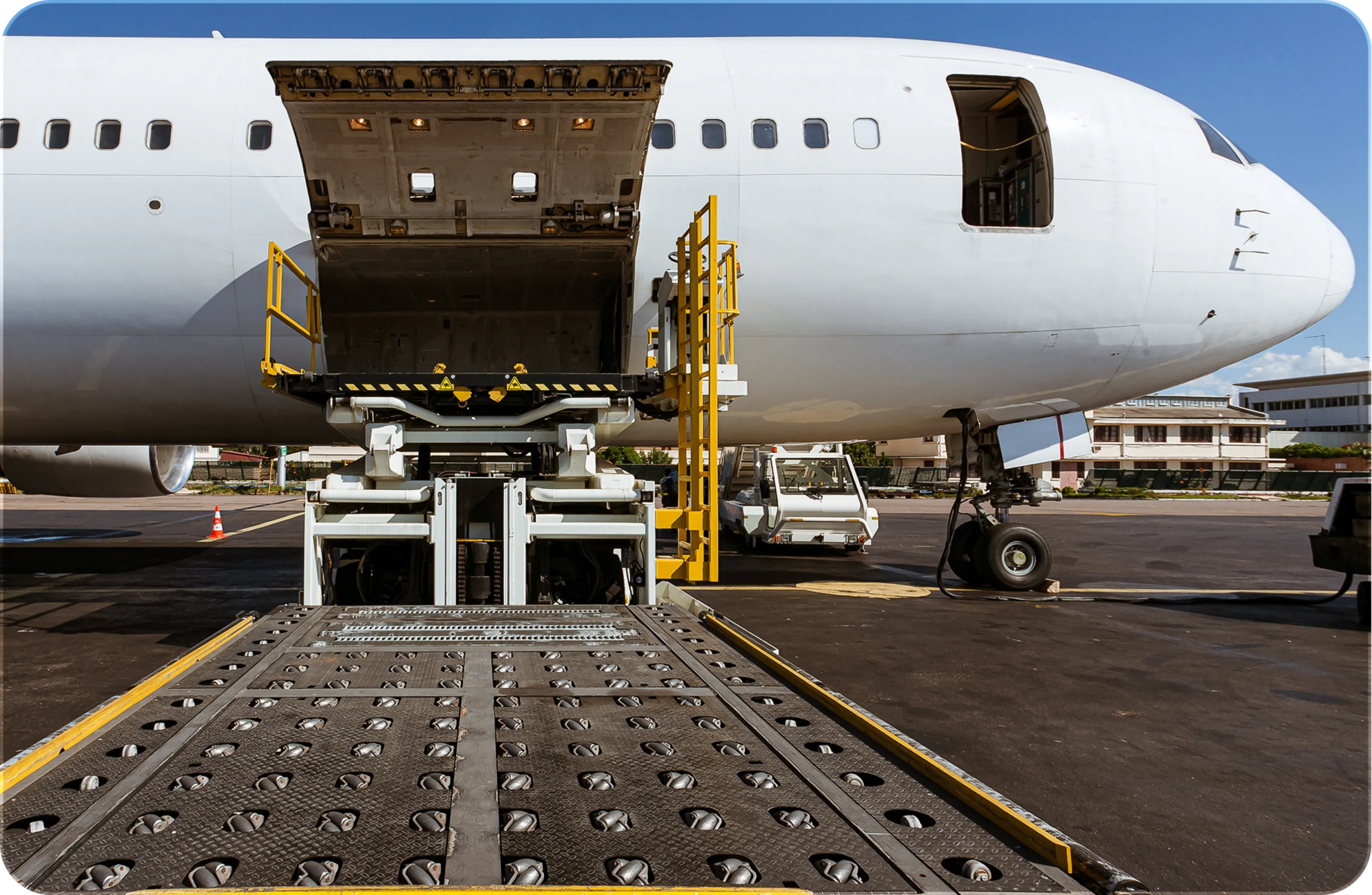
We transport critical aircraft parts, engines, and equipment—quickly, with tracking, and cleared for delivery—no matter where your AOG occurs.

A grounded aircraft costs up to €150,000 per hour in cancellations, losses, and compensation. A missing part shouldn't be the reason it remains on the tarmac.

What We Move

What We Move

Prototypes

Early, irreplaceable projects were carried out against the clock.

(01)

Robotics & Systems

Customized transportation solutions for oversized, high-value cargo.

(02)

Sensitive components

Fragile, high-value parts requiring careful, controlled handling.

(03)

Lab and Test Equipment

Critical instruments are delivered ready to use.

(04)

Speed on par with R&D

We'll put together a plan and get started as soon as you're ready.

handled with precision

Sensitive and fragile cargo, handled with the care it requires.

Full cost transparency

The invoice reflects the actual cost. No commission, no markup—ever.

Blog

Explore our case studies

A wide-body aircraft on a night apron with an open cargo hold and ground crew during an AOG turnaround
July 7, 2026

Aircraft on Ground (AOG): How Spare Parts Are Delivered Quickly

Aerospace

"Aircraft on ground" (AOG) is the status an aircraft is assigned when it cannot fly because a part is missing, and Boeing has estimated that this situation can cost anywhere from $10,000 to as much as $150,000 per hour, depending on the aircraft type and route (Boeing figure). That single figure explains why AOG logistics operates under different rules. There is no “next available slot.” There is only “now.”

AOG is where aerospace logistics is put to the test in real time. In our experience, the part itself is often sourced within hours; it’s the paperwork and border controls that determine the outcome. So here’s what actually happens when a part needs to be moved quickly, and why geopolitical instability turns an already tense process into a fragile one.

Key takeaways

  • A grounded commercial aircraft can cost $10,000 to $150,000 per hour (Boeing), so AOG shipments are treated as a real-time crisis, not a booking.
  • Most delays occur on the ground—in procurement and customs—not in the air.
  • Airworthiness documentation (EASA Form 1, FAA 8130-3) and export controls (ITAR/EAR) can render a part found on site unusable without the proper documentation.
  • Airspace closures since 2022 have forced reroutes that add hours and cost to the fastest routes.

Why does every minute count?

A grounded aircraft is not a parked asset. It’s a running cost center. Add up lease payments, crew standby, passenger rebooking, delayed cargo, and the resulting disruption to the schedule, and the costs add up quickly. For example, one documented case estimated the combined cost of lease, labor, and parts for a three-day A320 AOG event at roughly $79,440 (eWAY Aviation, 2023). As a result, an AOG request never enters the normal queue.

The cost of a grounded aircraft

In short, the clock is the client, and every handoff is measured against it.

What does an AOG flow actually look like?

A typical AOG shipment goes through four tightly compressed stages, and the slowest one determines how long the plane remains grounded

  • The alert. An airline or MRO (maintenance, repair, and overhaul) provider identifies a faulty or missing part that has grounded an aircraft. The clock starts ticking immediately.
  • Sourcing the part. The part may be in the airline's own inventory elsewhere, with a parts broker, or at a manufacturer's warehouse on another continent. The speed of sourcing is often the single most important factor in the entire process.
  • Expedited transport. Once located, the part is shipped via the fastest route available—usually booked on the next available flight with a scheduled carrier, and sometimes via a dedicated charter when time is more critical than cost.
  • Priority customs and last-mile delivery. The part still has to clear customs and reach the hangar. This is where many AOG shipments quietly lose time—not in the air, but on the ground, waiting for paperwork to be processed.

The paperwork that can ground a part anyway

Aircraft parts are not ordinary cargo, and two layers of documentation are involved in nearly every AOG shipment. If either one is incorrect, a part may be physically on-site but legally unusable.

  • Traceability certification. Parts are accompanied by an EASA Form 1 or an FAA Form 8130-3, Authorized Release Certificates confirming that a component conforms to approved design data and is airworthy. No valid tag, no installation.
  • Export controls. Parts of U.S. origin may be subject to U.S. export regulations: the ITAR for defense-listed components, and the Export Administration Regulations (EAR, administered by the Department of Commerce) for most civil aircraft parts (U.S. Munitions List). Either of these can result in additional screening, documentation requirements, and restrictions on who may receive a part.

These rules exist for good reason. They also create friction, and that friction becomes dangerous the moment a geopolitical shock occurs on top of it.

Where a geopolitical crisis breaks the chain

An AOG flow that normally takes hours can stretch into days when the operating environment changes. None of these risks are hypothetical.

  • Airspace closures. Russian airspace has been closed to dozens of countries since 2022, and restrictions in conflict zones or NOTAMs can force complete reroutes. Cargo flights from Europe to Asia now take two to four hours longer on affected routes, with rates reported to have risen by 10 to 25 percent (The Flying Engineer, 2026).
  • Sanctions can change overnight. An export that was approved yesterday may require a new license today if a country or entity is added to a restricted list.
  • Customs procedures are becoming stricter. Heightened security or a new tariff regime at a border can turn a routine clearance into a delay lasting several days—precisely when a plane cannot afford to wait.

How Stracker Keeps AOG Flows Moving

In the event of an AOG, a freight forwarder’s network and judgment are just as important as raw transport capacity. In our experience, three factors make all the difference

  • With a network spanning more than 80 countries, a crisis reroute rarely starts from scratch. The relationships, customs contacts, and local execution capabilities are already in place where they're needed.
  • Priority customs processing, based on strict documentation procedures that ensure ITAR-sensitive and traceability-critical parts keep moving rather than getting stuck in a queue.
  • Real-time visibility through Stracker360, so when conditions change during the process, the airline and MRO are notified immediately and can make a decision right away, rather than waiting for a phone call.

When speed is the name of the game, the right air freight routing and a cleared customs file waiting at the hangar are what make the difference between a few hours of downtime and a few days.

Frequently Asked Questions

What does AOG mean in aviation?

AOG stands for "aircraft on ground." It indicates that an aircraft cannot fly because it needs a part or repair, and that the situation is urgent enough to warrant the fastest possible procurement and transport, including dedicated charters when necessary.

How much does an AOG event cost per hour?

Boeing has estimated that a grounded commercial aircraft can cost between $10,000 and $150,000 per hour, depending on the aircraft type and route, once lease, crew, rebooking, and schedule disruptions are factored in.

Why are AOG parts delayed at customs?

Aircraft parts require airworthiness certificates (EASA Form 1 or FAA 8130-3) and may be subject to export controls such as ITAR or the EAR. Missing or incorrect documentation is a common reason why a part is held up at the border even after it has physically arrived.

What is the difference between AOG and MRO logistics?

MRO logistics covers planned maintenance, repair, and overhaul operations on predictable schedules. AOG logistics is the emergency component: an unplanned grounding where the speed of sourcing and transport takes priority over almost everything else.

Stracker specializes in critical, time-sensitive freight for the aerospace, luxury, and deep tech industries across more than 80 countries. Our aerospace desk handles AOG and MRO logistics for clients who cannot afford delays. Contact our AOG team.